

Franchise vs. Licensing: What’s the Difference?
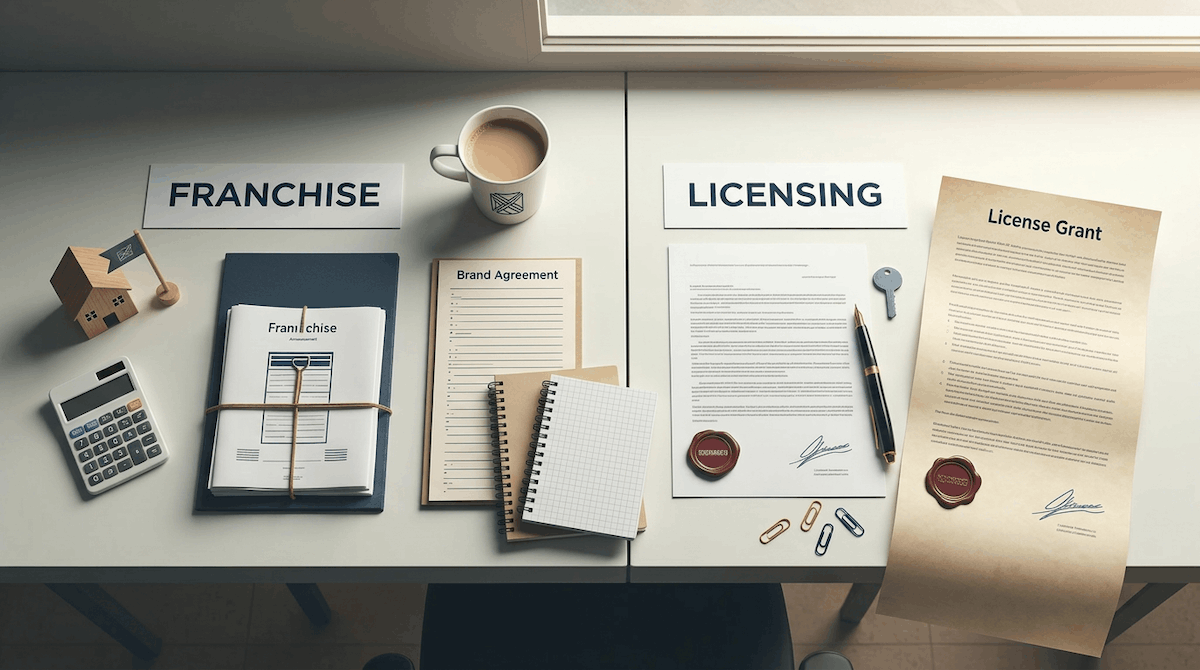
When looking at ways to grow a business, two common options often come up: franchising and licensing. While these models may seem similar at first, they work very differently. Understanding the difference is important before making any business decisions.
At Franchise 360, many business owners ask which option makes more sense for their goals. The answer depends on how much control, support, and brand consistency you want to maintain as your business grows.
Understanding Franchising
Franchising is a business model where a business owner allows another person to operate under the same brand, systems, and processes. The franchisee follows established operational guidelines while benefiting from an already recognized business model.
This often includes:
- Brand name and trademarks
- Operational systems
- Marketing support
- Training programs
- Ongoing business guidance
- Established products or services
In return, the franchisee usually pays an upfront franchise fee along with ongoing royalties.
Franchising is commonly used in industries like restaurants, fitness centres, retail stores, and service-based businesses because consistency is important for customer trust and brand growth.
What Is Licensing?
Licensing is generally more flexible and less structured than franchising.
In a licensing agreement, a business owner gives permission for another party to use certain intellectual property. This could include a brand name, logo, technology, product, or design.
Unlike franchising, licensing usually does not involve full operational support or strict business systems.
A licensing agreement may allow someone to:
- Use a trademark or logo
- Sell a product under a brand name
- Manufacture a patented product
- Use copyrighted material or technology
The licensee often pays fees or royalties for those rights, but they typically operate the business independently.
The Biggest Difference Comes Down to Control
One of the clearest differences between franchising and licensing is the level of control.
With franchising, the franchisor maintains detailed standards to protect the brand. Franchisees are expected to follow approved systems, branding, training, and operational procedures.
With licensing, the licensor usually has much less involvement in day-to-day operations.
For example, if you franchise your business, you may provide operational manuals, training programs, marketing support, and ongoing guidance. If you license your brand, the agreement may only focus on how the intellectual property is used.
This is why franchising is often viewed as a more structured long-term growth model.
Which Option Is Better for Business Growth?
Franchising May Be Better If You Want:
- Strong brand consistency
- Long-term business expansion
- Ongoing involvement with franchisees
- Operational control
- Structured growth systems
Franchising can help build a stronger and more recognizable brand across multiple locations. However, it also requires more planning, legal preparation, and operational support.
Licensing May Be Better If You Want:
- Faster expansion with less involvement
- Simpler agreements
- More flexibility
- Fewer operational responsibilities
Licensing can work well for product-based businesses or companies focused mainly on intellectual property rather than full operational systems.
Legal Requirements Matter
Another important difference involves legal regulations.
Franchising in Canada involves more detailed legal obligations than licensing. Franchise agreements, disclosure documents, operational standards, and compliance
requirements all play an important role in protecting both parties.
Because of this, many business owners work with franchise consultants to ensure the business structure is set up properly from the beginning.
At Franchise 360, support is available throughout the process, including discovery, recommendations, legal and operational planning, and franchise growth strategies.
Choosing the Right Path for Your Business
Many successful businesses reach a point where growth becomes the next priority. The challenge is choosing the right model to support that growth.
If your business already has a strong system, recognizable branding, and proven operations, franchising may offer long-term expansion opportunities while helping others succeed through your business model.
On the other hand, licensing may be suitable if your focus is primarily on products, branding, or intellectual property rights without managing daily operations. Every business is different, which is why professional guidance can make the decision much easier.
Start Building Your Growth Strategy
Understanding the difference between franchising and licensing is an important first step for any business owner planning future growth.
The right strategy can help protect your brand, improve expansion opportunities, and create stronger long-term results.
If you are considering franchising opportunities in Canada, contact us today to speak with the experienced franchise consultant.